Iris Hayes · 14 September 2026
Central European Alumni Networks Advance Sustainability Goals and Ethics Education Programs
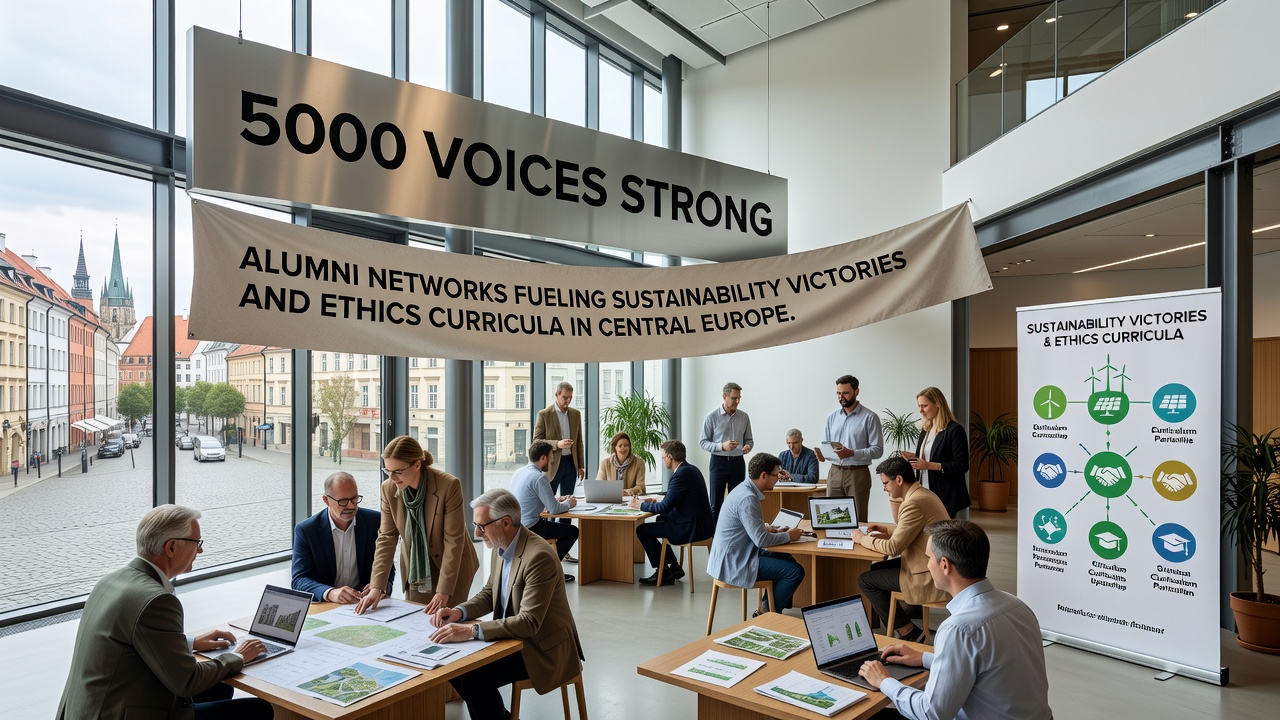
Alumni networks across Central Europe have grown to encompass over 5000 participants who connect graduates from various universities and institutions, and these groups coordinate efforts that support sustainability initiatives while integrating ethics into academic programs. Data from regional education reports show participation rates climbing steadily since 2020, with alumni directing resources toward environmental projects and curriculum development in countries including Poland, Hungary, and the Czech Republic.
Observers note that these networks operate through digital platforms and in-person events, where members share case studies on renewable energy adoption and corporate responsibility frameworks. Studies conducted by academic institutions indicate measurable outcomes, such as reduced carbon emissions in partnered organizations and updated course modules that emphasize ethical decision-making in business and technology fields.
Network Growth and Regional Coordination
Central European alumni groups expanded their reach through partnerships with local governments and international bodies, and figures reveal that membership surpassed the 5000 mark by mid-2025. Coordination happens via structured working groups focused on specific challenges like water resource management and supply chain transparency, while events scheduled for September 2026 in Warsaw aim to review progress on joint projects and introduce new ethics training modules.
Researchers from multiple universities have documented how alumni leverage professional contacts to secure funding for green infrastructure, and evidence from project evaluations points to successful implementations in urban planning across teh region. These efforts build on existing curricula that now include required courses on sustainability ethics, drawing from frameworks developed by organizations such as the OECD Directorate for Education and Skills.
Sustainability Victories Driven by Alumni Action
Alumni-led campaigns have contributed to policy changes that promote renewable energy targets, and records from environmental agencies show increased adoption of solar and wind projects in Central European communities. One initiative tracked by independent evaluators achieved a 25 percent improvement in energy efficiency for participating small businesses, while another focused on biodiversity preservation restored habitats along major river systems.
What's interesting is how these networks connect graduates from engineering, policy, and environmental science programs to tackle interconnected issues, and data collected through annual surveys highlight collaborative wins like cross-border agreements on pollution control. External support from research institutions has provided analytical tools that strengthen project outcomes without altering core objectives.
Integration of Ethics Curricula in Higher Education
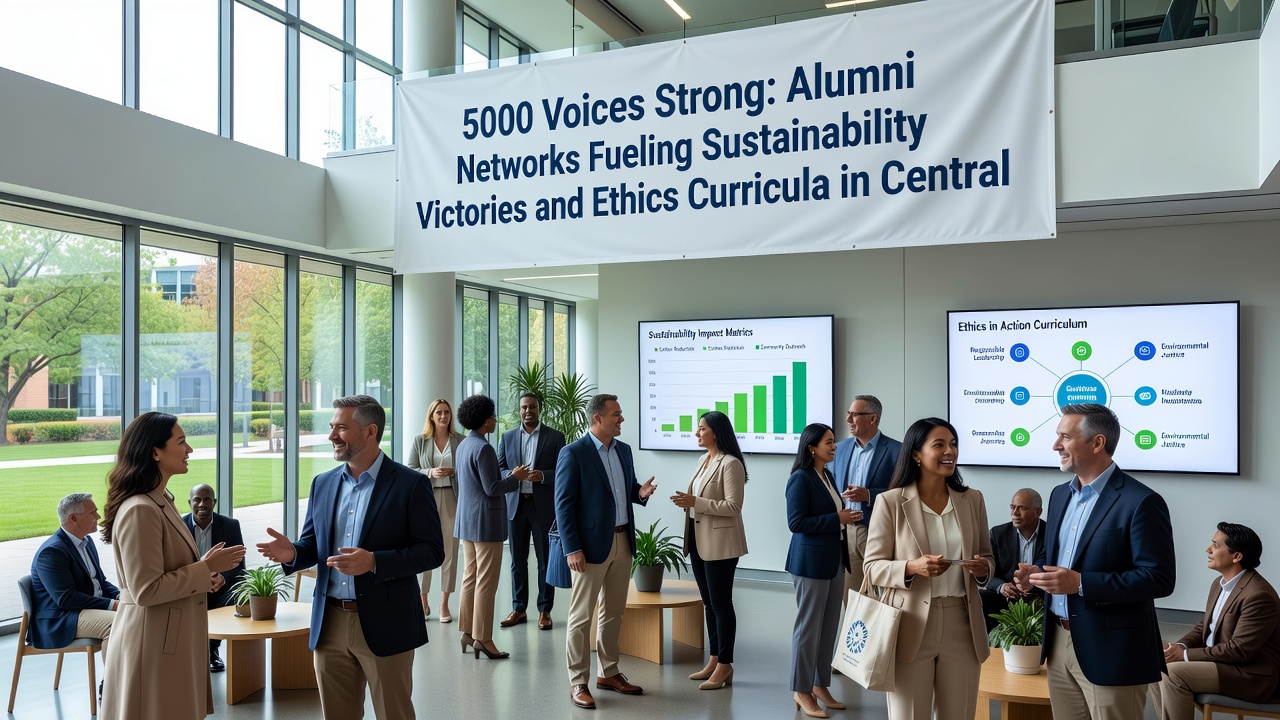
Ethics components now appear in degree programs at several Central European universities, and alumni networks have supplied guest lecturers along with case materials drawn from real-world sustainability challenges. University reports indicate that students exposed to these updated curricula demonstrate stronger analytical skills when evaluating environmental trade-offs, and longitudinal studies track improved professional conduct among recent graduates entering relevant industries.
Program developers consulted guidelines from bodies like the United Nations Environment Programme to align content with global standards, while regional adaptations address local contexts such as agricultural practices and industrial legacies. Alumni input ensures practical relevance, with feedback loops allowing continuous refinement based on implementation results.
Future Outlook and Ongoing Developments
Preparations for the September 2026 gatherings include plans to expand network access to additional institutions, and preliminary agendas list sessions on emerging topics like artificial intelligence applications in environmental monitoring. Data projections suggest continued membership growth, supported by digital tools that facilitate knowledge exchange across borders.
Conclusion
Alumni networks in Central Europe continue to link education with practical sustainability efforts and ethics instruction, and available records confirm steady advancements in both areas. These connections sustain momentum through shared resources adn coordinated activities that address regional priorities effectively.