
Quinn Zimmermann · 23 November 2026
Global Alumni Chapters Forge Unexpected Ties Between Research Integrity and Sustainability Education
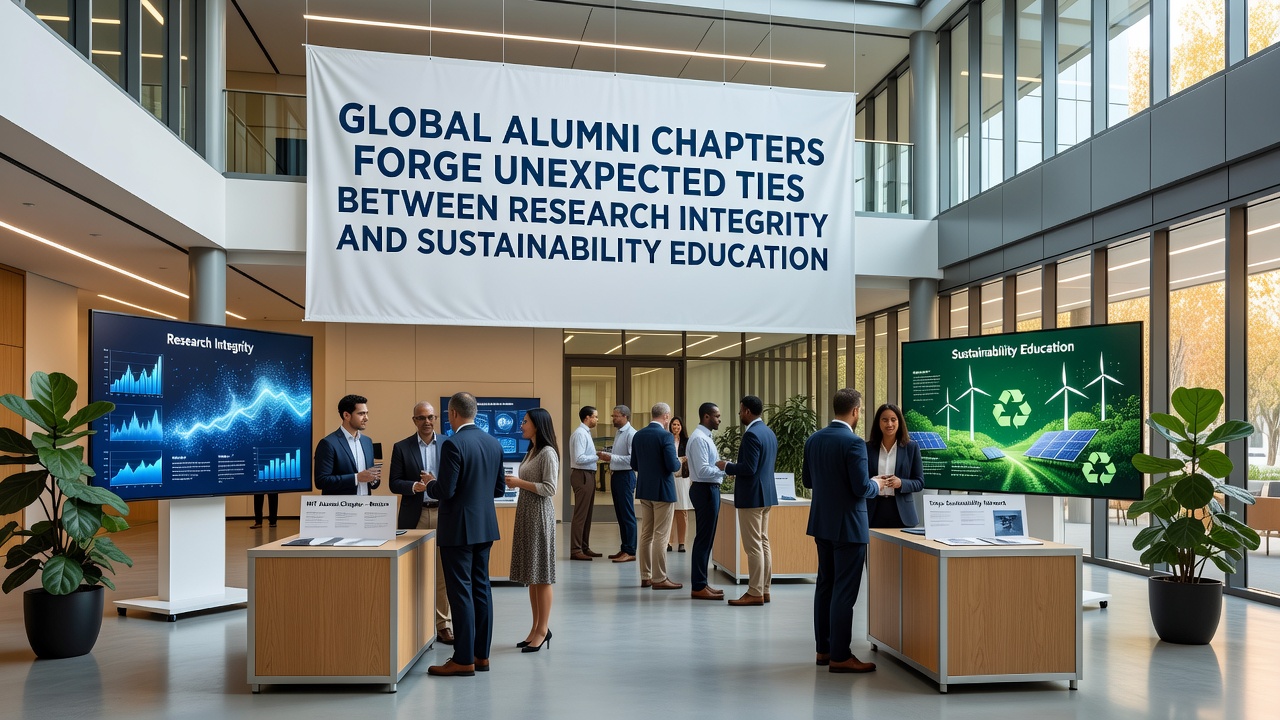
Global alumni chapters have expanded their reach in recent years, creating platforms where former students from various universities collaborate on projects that connect research integrity protocols with sustainability education initiatives, and observers note this development has accelerated through structured events and shared resources across continents.
Expansion of Alumni Networks in Academic Collaboration
Alumni organizations affiliated with institutions in Europe, North America, and Asia have established dedicated working groups since 2023, focusing on how ethical research practices can support environmental and social sustainability goals within higher education programs, while data from university reports indicate membership in these chapters grew by 18 percent between 2024 and 2025.
Researchers have documented cases where alumni from technical universities partnered with those from environmental science departments to develop training modules that emphasize transparent data handling alongside climate impact assessments, and these efforts gained momentum ahead of international conferences scheduled for November 2026.
Linking Research Integrity Standards to Sustainability Curricula
Programs emerging from these alumni networks often combine modules on research ethics, such as proper citation and conflict of interest disclosure, with topics in sustainable development, including resource management and biodiversity preservation, according to summaries published by academic consortia. Figures from the Organisation for Economic Co-operation and Development reveal that integrated courses of this type now appear in at least 47 universities worldwide, up from 29 in 2022.
One documented initiative involved alumni chapters in Poland and Canada coordinating virtual workshops where participants reviewed case studies on ethical sourcing of materials for green technology research, and these sessions highlighted measurable improvements in student project compliance rates after implementation.
Regional Developments and Data Trends
European alumni groups have reported increased funding allocations for joint projects that merge research integrity audits with sustainability reporting frameworks, while similar patterns appear in Australian networks where alumni facilitated partnerships between local universities and government environmental agencies. Statistics compiled by the European University Association show that cross-border alumni collaborations accounted for 12 percent of new sustainability education grants awarded in 2025.
Events planned for November 2026 include regional summits in Warsaw and Toronto, where participants will examine how alumni-driven networks influence accreditation standards that now require evidence of both ethical research training and environmental literacy in degree programs.
Case Examples from Alumni-Led Projects
Take one group of alumni from institutions in the United States and Japan who established an online repository of open-access materials covering topics from responsible conduct in field research to lifecycle analysis of renewable energy systems, and university tracking data indicates over 2,500 downloads occurred in the first six months after launch. Another project saw alumni chapters in Brazil and Germany organize student exchanges focused on ethical dilemmas in sustainable agriculture research, resulting in joint publications that adhered to updated integrity guidelines from international bodies.
These examples illustrate patterns where alumni leverage professional contacts to bridge gaps between traditionally separate academic domains, and evidence from network reports suggests such ties have led to updated course syllabi at participating institutions.
Future Directions and Institutional Responses
University administrators have begun incorporating alumni chapter recommendations into strategic planning documents that address both research governance and sustainability targets, with preliminary assessments showing alignment with broader policy frameworks from organizations like the United Nations Educational, Scientific and Cultural Organization. Projections based on current enrollment trends point to continued growth in these interdisciplinary alumni activities through 2027, supported by digital platforms that enable ongoing knowledge exchange.
Conclusion
Alumni chapters continue to serve as connectors in the academic landscape, facilitating practical links between research integrity measures and sustainability education through documented projects, data-driven collaborations, and upcoming international gatherings in November 2026. These developments reflect measurable shifts in how former students contribute to evolving educational priorities across multiple regions.