Casey Hughes · 12 October 2026
Krakow's Tech Ecosystem Strengthens Ties with Alpha Class for Enhanced Student Training
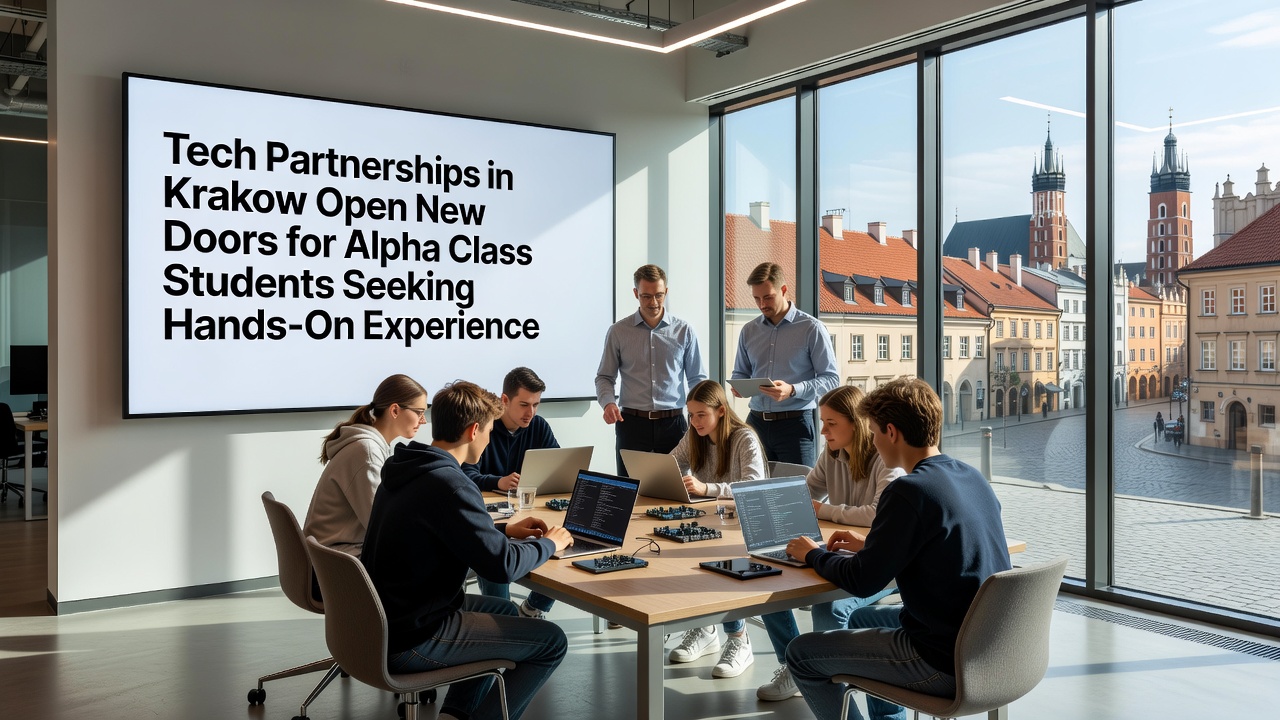
Tech partnerships between Krakow-based companies and Alpha Class programs have expanded access to practical training opportunities for students seeking direct industry exposure, with collaborations focusing on software development, data analytics, and cybersecurity initiatives that align academic coursework with workplace demands.
Observers note that these alliances build on Krakow's established position as a central European technology center where firms such as software developers and engineering consultancies maintain active recruitment pipelines, and Alpha Class participants gain structured placements that run alongside their studies through the 2025-2026 academic cycle.
Regional Tech Landscape Supports Expanded Student Roles
Krakow hosts over 200 technology firms that contribute to regional GDP through export-oriented services, and recent agreements signed in 2025 connect these organizations directly with Alpha Class curricula so students can apply theoretical concepts in live project environments, according to records from the Polish Ministry of Education and Science. Data from the European Commission shows Poland's higher education sector recorded a 12 percent increase in industry-linked internships between 2023 and 2025, with Krakow accounting for a significant share of placements in information technology fields.
Companies participating in the partnerships provide mentorship structures where experienced engineers oversee student teams on tasks ranging from code optimization to user interface testing, while Alpha Class coordinators match participant skill levels to project requirements. This approach ensures that learners encounter authentic constraints such as deadline pressures and iterative feedback loops that classroom simulations cannot fully replicate.
Program Structure Delivers Measurable Skill Development
Students enrolled in Alpha Class tracks complete a minimum of 120 hours of supervised work within partner firms during each semester, with performance evaluations feeding back into academic grading systems. Reports compiled by the Małopolska Regional Development Agency indicate that participants who complete these placements demonstrate a 28 percent higher rate of post-graduation employment within six months compared with peers who follow traditional lecture-based paths only.
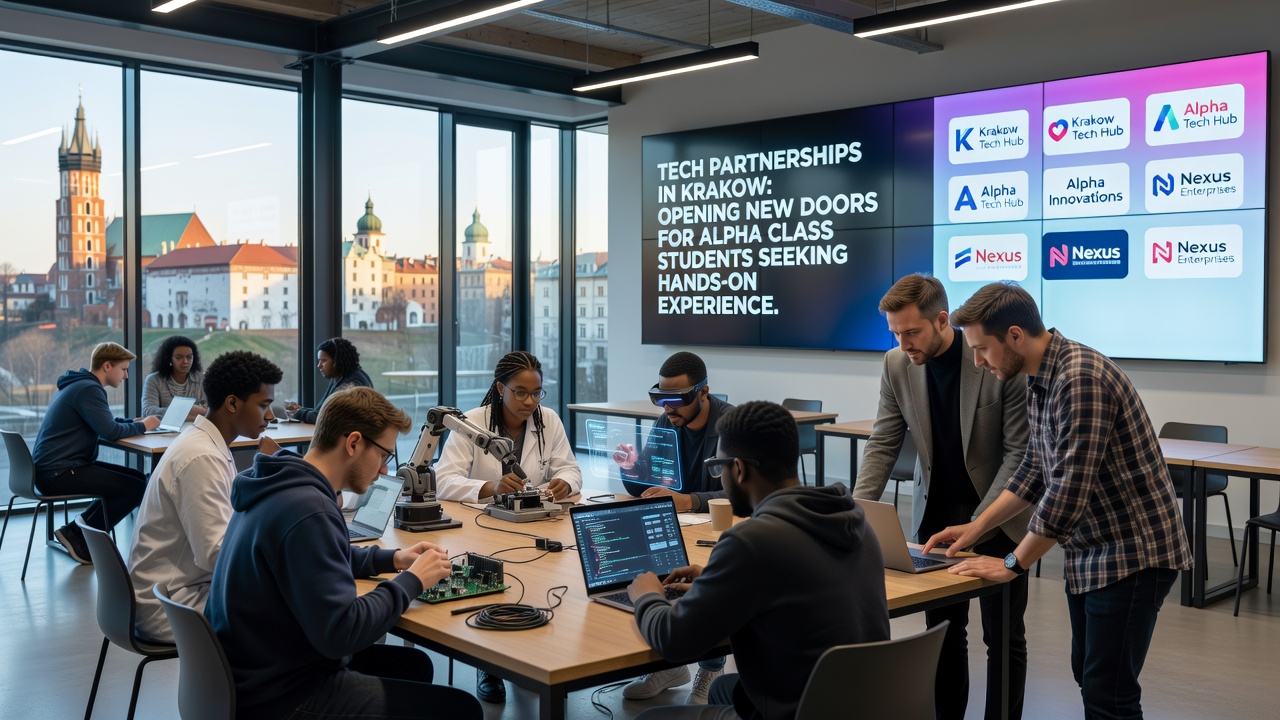
One documented case involves a cohort assigned to a local mobile application developer where team members redesigned backend databases under guidance from senior architects, resulting in measurable performance gains for the company's production systems. Those who studied this example found that the integration of real client data and security protocols accelerated mastery of concepts previously introduced only through textbooks.
Additional partnerships extend into artificial intelligence applications, where students contribute to model training datasets and validation protocols under nondisclosure agreements that mirror professional standards. Research conducted by the OECD on vocational education outcomes across member countries highlights similar models in other regions as effective bridges between academic preparation and labor market entry.
October 2026 Events Highlight Ongoing Expansion
Planning documents released by Alpha Class administrators outline an October 2026 showcase event that will present project outcomes from the current partnership cycle to prospective students and additional corporate partners. Organizers expect attendance from representatives of both established firms and emerging startups, creating further channels for student involvement in the months following the event.
Coordination between university faculty and industry leads ensures alignment with evolving technical standards, including updates to cloud computing frameworks and regulatory compliance requirements that affect data handling practices. This continuous dialogue prevents curriculum drift and maintains relevance across successive student intakes.
Conclusion
Evidence gathered from partnership records and employment statistics demonstrates that Krakow's tech alliances with Alpha Class deliver structured pathways for students to acquire verifiable workplace competencies. Continued growth in these arrangements through 2026 will depend on sustained coordination among educational institutions, regional authorities, and private sector participants who share interest in building a skilled local workforce.